


 Offers



























Pediatric, Bariatric, and Standard Scales: What’s the Difference?
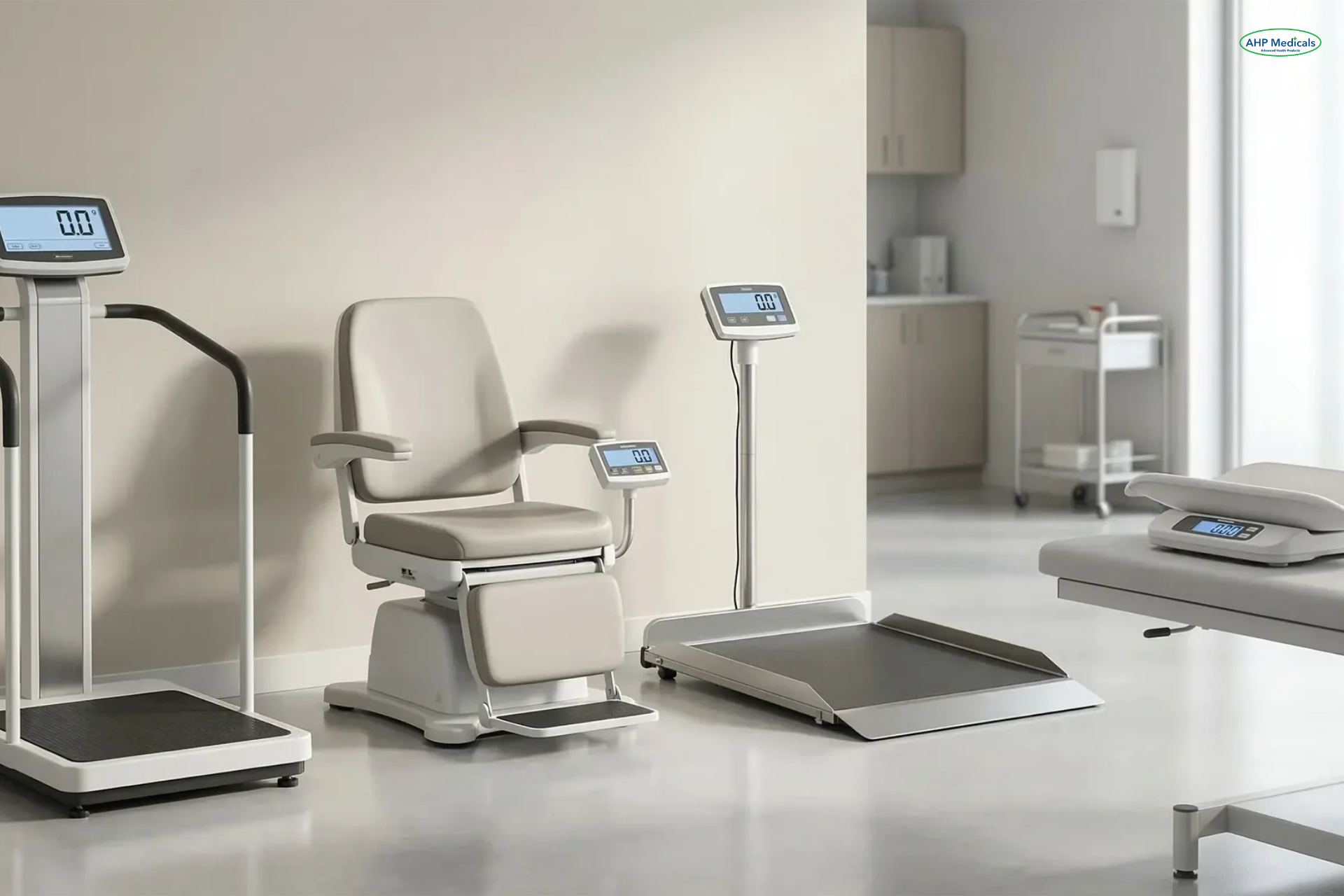
Accurate weight measurement plays a crucial role in healthcare from monitoring infant growth to managing chronic conditions and assessing overall patient health. Different patient groups require different types of weighing scales, which is why pediatric, bariatric, and standard scales are designed with specific features and purposes in mind.
This blog explores the differences between these three types of medical scales, helping you choose the right one for your healthcare setting.
1. Pediatric Scales: Precision for Infants and Children
Pediatric scales are specially designed for newborns, infants, and young children. At this stage of life, even the smallest weight changes can be significant, making precision extremely important.
Key Features:
- Tray-Based Design: A curved or contoured tray keeps infants safe and prevents movement during measurement.
- High Accuracy: Measures weight in very fine increments (often in grams).
- Tare Function: Allows subtraction of additional items like blankets or diapers.
- Digital Display: Ensures quick and easy readings.
Common Uses:
- Neonatal units and maternity wards
- Pediatric clinics
- Hospitals and childcare centres
Importance:
Pediatric scales help healthcare providers closely monitor growth and development, detect early signs of health issues, and ensure proper nutrition in infants.
Shop Baby scales here: https://www.ahpmedicals.com/equipment/scales-and-height-measures/baby-scales.html
2. Bariatric Scales: Built for Higher Capacity and Safety
Bariatric scales are designed for patients with higher body weight, offering enhanced durability, stability, and comfort.
Key Features:
- High Weight Capacity: Typically supports 300 kg or more.
- Wide Platform: Provides better balance and comfort.
- Handrails or Support Bars: Assists patients with limited mobility.
- Robust Construction: Designed for long-term, heavy-duty use.
Common Uses:
- Hospitals and specialty clinics
- Weight management centres
- Rehabilitation facilities
Importance:
Bariatric scales ensure safe and accurate weight measurement for obese patients, which is essential for managing conditions like diabetes, cardiovascular diseases, and obesity-related complications.
3. Standard Scales: Everyday Medical Use
Standard scales are the most widely used and are suitable for general adult patients within a normal weight range.
Key Features:
- Moderate Weight Capacity: Usually up to 150–200 kg.
- Compact Design: Easy to use in clinics or at home.
- Optional Height Rod: Some models include stadiometers for BMI calculation.
- Digital or Analog Options: Available based on user preference.
Common Uses:
- General practice clinics
- Hospitals
- Fitness centres
- Home healthcare
Importance:
Standard scales are essential for routine check-ups, diagnosis, and ongoing health monitoring.
Shop Scales here: https://www.ahpmedicals.com/equipment/scales-and-height-measures.html
How to Choose the Right Scale
Choosing the right scale depends on your specific needs:
- For pediatric care: Go for a high-precision pediatric scale.
- For handling obesity or mobility challenges: Choose a bariatric scale with safety features.
- For general use: A standard scale is sufficient and cost-effective.
Healthcare facilities often require a combination of all three types to ensure they can cater to different patient groups effectively.
Conclusion
Understanding the differences between pediatric, bariatric, and standard scales is essential for delivering accurate and efficient patient care. Each type is tailored to meet specific requirements, ensuring safety, precision, and comfort.
By investing in the right medical weighing scales, healthcare providers can improve diagnostic accuracy, patient experience, and overall treatment outcomes.


