


 Offers





















Is Your Home Ready? Your Ultimate First Aid Kit Guide
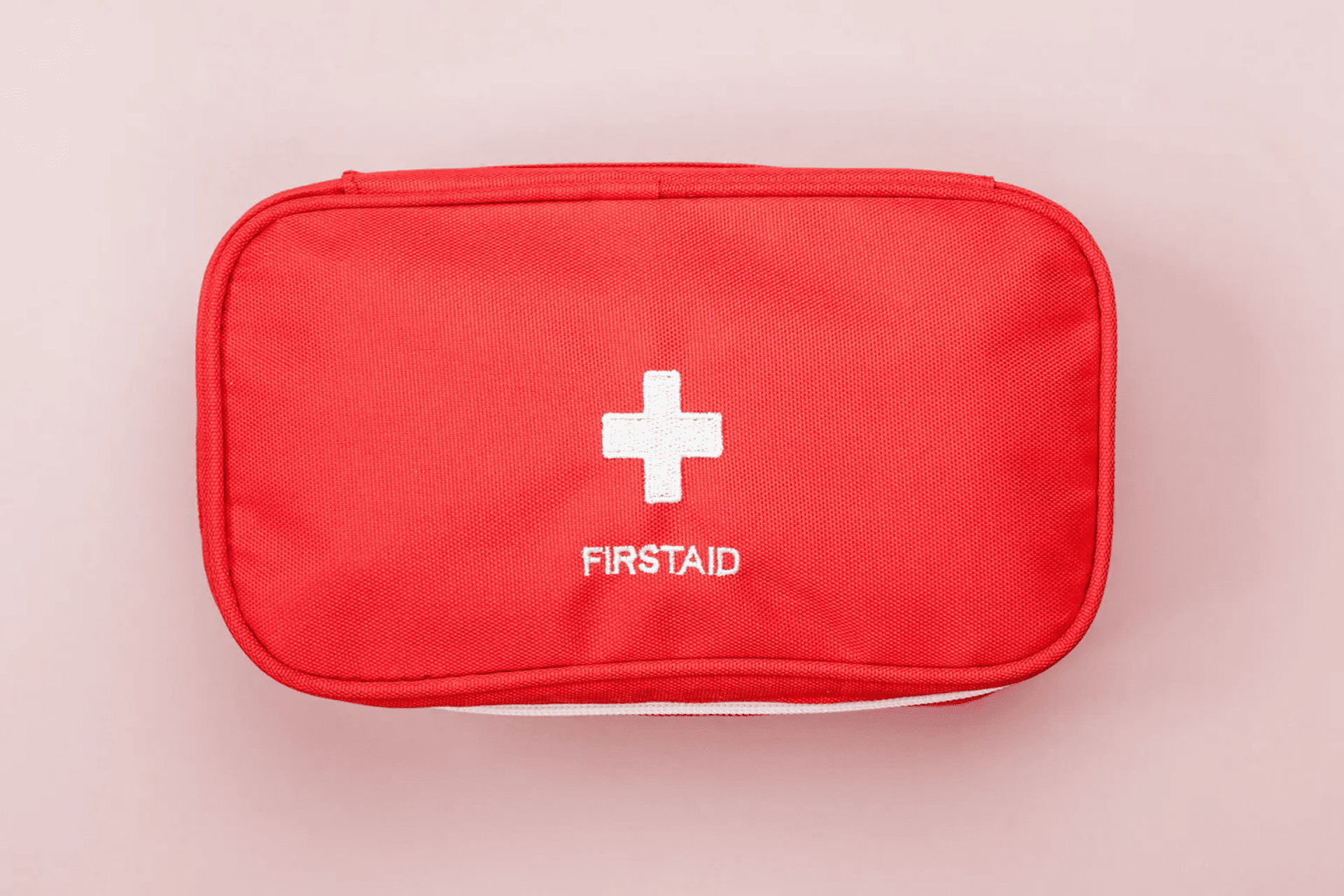
When an unexpected accident or emergency happens at home, the last thing you want is to be unprepared. A well-stocked first aid kit is more than just a box of plasters and bandages — it’s your first line of defence when dealing with minor injuries, burns, cuts, or sudden health scares. Whether you’re a parent, pet owner, or simply want peace of mind, having essential medical supplies at home can make all the difference.
In this guide, we’ll walk you through everything you need to build a reliable first aid kit, where to find trusted medical supplies online, and why some devices — like the best pulse oximeter UK — deserve a place in every household.
Why Every Home Needs a First Aid Kit
Emergencies don’t wait for a convenient time. From kitchen cuts to sudden fevers, having the right tools close at hand can help you treat injuries quickly and confidently before professional help arrives. A first aid kit can:
- Provide immediate relief and prevent minor issues from becoming major ones.
- Save valuable time in emergencies.
- Offer peace of mind knowing you’re always prepared.
Essential Items Every First Aid Kit Should Include
A good first aid kit isn’t just a box of plasters — it’s a collection of tools designed to help you respond effectively to a range of medical situations. Here’s a complete checklist of essential items and why each one is important:
1. Adhesive Bandages and Plasters
These are the most frequently used items in any first aid kit. Adhesive bandages protect small cuts, blisters, and abrasions from dirt, bacteria, and further injury while they heal.
- Why it’s essential: Keeps wounds clean, reduces infection risk, and speeds up recovery.
- Pro tip: Include various sizes and shapes — from fingertip bandages to large patch plasters — to cover different types of minor injuries.
Link: https://www.ahpmedicals.com/disposables/bandages.html
2. Sterile Gauze Pads and Dressings
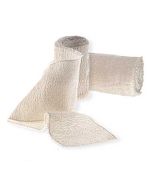
Gauze pads are vital for covering larger wounds, burns, or deep cuts where bandages are too small. They absorb blood and fluids, prevent contamination, and protect the wound from friction.
- Why it’s essential: Promotes healing by maintaining a sterile environment and reducing infection risks.
- Pro tip: Stock both individually wrapped sterile pads and rolled gauze for more flexibility in emergency care.
Link: https://www.ahpmedicals.com/disposables/dressings.html
3. Antiseptic Wipes and Antibacterial Creams
Cleaning a wound properly is one of the most critical steps in first aid. Antiseptic wipes remove dirt and bacteria from the affected area before applying dressings. Antibacterial creams or ointments then create a protective barrier against infection.
- Why it’s essential: Reduces the risk of complications such as cellulitis or sepsis.
- Pro tip: Always clean the wound gently before applying any dressing, and avoid alcohol-based solutions on sensitive skin.
Link: https://www.ahpmedicals.com/categories/home-and-living/incontinence-aids/wipes.html
4. Medical Tape and Scissors
Medical tape secures gauze, bandages, or dressings in place without restricting movement. Scissors help cut tape, clothing, or bandages during an emergency.
- Why it’s essential: Ensures secure application of dressings and allows you to customise bandage size for better coverage.
- Pro tip: Choose hypoallergenic tape to avoid skin irritation.
Link: https://www.ahpmedicals.com/first-aid-shop/wound-cleansing.html
5. Tweezers and Safety Pins
Tweezers are essential for removing splinters, glass shards, or debris from wounds, while safety pins can secure bandages or slings in place.
- Why it’s essential: Helps treat minor injuries quickly and prevent infections caused by foreign objects.
- Pro tip: Always sterilise tweezers with antiseptic before use to avoid introducing bacteria into the wound.
6. Disposable Gloves
Protecting yourself while treating others is just as important as treating the injury itself. Nitrile or latex-free disposable gloves prevent cross-contamination and keep both parties safe.
- Why it’s essential: Reduces the spread of bloodborne pathogens and bacteria.
- Pro tip: Store multiple pairs in your kit — they’re single-use and should be discarded after each treatment.
Link: https://www.ahpmedicals.com/disposables/gloves.html
7. Digital Thermometer
A reliable digital thermometer is crucial for monitoring body temperature during illnesses, infections, or fevers.
- Why it’s essential: Detecting fever early can help determine when medical attention is needed.
- Pro tip: Choose a fast-reading, easy-to-clean digital thermometer for accurate home health checks.
Link: https://www.ahpmedicals.com/equipment/thermometers.html
8. Pain Relievers and Antihistamines
Basic medications like paracetamol, ibuprofen, or aspirin are essential for relieving pain, headaches, or inflammation. Antihistamines help with allergic reactions, insect bites, or hay fever.
- Why it’s essential: Offers quick relief from discomfort and prevents minor conditions from worsening.
- Pro tip: Always store medicines in their original packaging and check expiry dates regularly.
9. Burn Gel or Burn Cream
Burn gels provide immediate cooling relief for minor burns, sunburn, or scalds. They reduce pain and prevent further tissue damage.
- Why it’s essential: Rapid cooling can significantly reduce the severity of a burn.
- Pro tip: Keep single-use burn gel sachets in your kit — they’re perfect for emergencies at home or on the go.
10. CPR Face Shield or Mask
A CPR mask allows you to perform life-saving chest compressions and rescue breaths safely, reducing the risk of transmitting infections.
- Why it’s essential: Could save a life in a cardiac emergency before paramedics arrive.
- Pro tip: Choose a compact, keychain-style CPR mask so it’s easy to carry and access quickly.
Bonus Tools for a Smarter First Aid Kit
While basic supplies are essential, adding a few smart devices can help you monitor health more effectively — especially for elderly family members or those with chronic conditions.
Best Pulse Oximeter UK – A Must-Have Tool
A pulse oximeter measures blood oxygen levels and heart rate, giving you real-time insights into respiratory health. It’s especially useful if someone in your household has asthma, heart conditions, or respiratory illnesses.
Look for the best pulse oximeter UK options that offer accurate readings, easy-to-read displays, and compact designs. Keeping one in your first aid kit can help you monitor health conditions before they become emergencies.
Blood Pressure Monitor
Monitoring blood pressure at home is crucial for early detection of hypertension or heart-related issues. Choose a digital, easy-to-use model.
Building a first aid kit is one of the simplest yet most effective ways to protect your family at home. By including essential medical supplies and smart health monitoring tools like the best pulse oximeter UK, you’ll always be prepared for whatever life throws your way.
So don’t wait for an emergency — start shopping for your medical supplies online uk today and give your home the safety upgrade it deserves


![Zoff Adhesive Remover Wipes In Sachets [Pack of 20]](https://www.ahpmedicals.com/media/catalog/product/cache/6af2da79007bbde83ac425b5e09ddcd4/3/9/3987_1.jpg)
![Instrapac Lister Bandage Scissor 14.5cm [Pack of 1]](https://www.ahpmedicals.com/media/catalog/product/cache/6af2da79007bbde83ac425b5e09ddcd4/i/n/instrapac-lister-bandage-scissor-14.5cm-pack-of-1_1_.png)


